
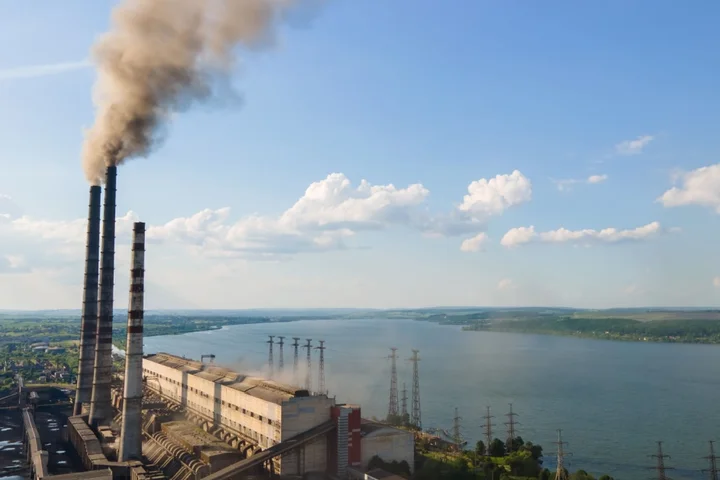
Datacenter growth in the US is helping keep aging fossil-fuel plants online longer, slowing the shift to a cleaner grid and worsening air pollution, according to new research from a group of environmental nonprofits.
The reports, published to coincide with Earth Day , point to a sharp slowdown in coal-plant retirements and detail the toxic pollutants still emitted by older coal-fired generators that remain in service.
The groups - US PIRG Education Fund, Environment America Research & Policy Center, and Frontier Group - published two research papers outlining their findings.
While renewables have grown quickly across the US over the past decade, the recent datacenter construction boom, driven largely by AI and other power-hungry computing workloads, has also pushed electricity demand sharply upward after years of relatively flat growth.
Analysis by consultants Bain & Company warned in 2024 that energy needs could outstrip supply in just a few years.
This growth in energy requirements is forcing utilities to keep some fossil-fuel plants online longer instead of retiring them.
One widely reported case was in Omaha, where the power company determined that decommissioning coal-burning generators at the North Omaha power plant would risk power shortages in the district, given rising demand from nearby server farms.
One of the research papers, Energy Transition at Risk , draws on data from the US Energy Information Administration to document the slowdown in America's dirtiest power plants being taken offline, plus the resurgence of new proposals for gas-powered plants.
The latter includes not just power stations, but on-site power generation at datacenter campuses that have been unable to get a connection to the grid when they needed it.
Data in the report shows that roughly 40 percent of the coal retirements or fuel switches scheduled to happen by the end of 2025 had not taken place.
It claims that if coal retirement had continued at the rate seen during 2022, the whole lot would have been shut down by 2040.
At the current rate, coal plants will linger until 2065.
At the same time, natural gas capacity is surging.
As of December 2025, 13.2 GW of gas generator capacity is scheduled to retire by 2030, while 41.8 GW of gas plants are set to be added to the grid.
The result is that America is locking in decades of new gas-fired infrastructure, as new plants typically have 30-to-40-year lifespans, even as renewables continue to grow.
The second paper , Fossil fuel power plants are staying online longer - that means dirtier air, estimates that 15 "zombie power plants" kept online beyond planned retirement dates released nearly 65 million metric tons of greenhouse gas emissions in 2023, more than Massachusetts emitted on net in 2022.
It points to the harm these emissions are doing; pollutants such as sulfur dioxide (SO2) and nitrogen oxides (NOx) contribute to the formation of fine particle pollution, while NOx also contributes to ground-level ozone, both of which threaten human health.
In addition, coal-fired plants also emit mercury, a harmful neurotoxin that can get into and move up the food chain, accumulating until eventually consumed by people.
The authors of the reports urge policymakers to act to reduce the environmental and public health harms of increased electricity demand from datacenters and other sources.
This could be done through encouraging greater energy efficiency, easing of barriers to clean energy, and stepping up the phaseout of dirty power plants.
But the researchers' words are likely to fall on deaf ears so long as the Trump administration is in power.
President Trump has repeatedly attacked wind power and moved to curb support for renewables, with last summer's budget law sharply reducing key clean-energy tax incentives created under the Inflation Reduction Act of 2022.
That followed an earlier executive order freezing new federal approvals for wind-energy projects while agencies reviewed existing permitting.
Last year, US Interior Secretary (and former software exec) Doug Burgum argued that winning the AI arms race with China mattered more than stopping climate change.
"It's absurd to power the technology of tomorrow with the dirty and dangerous energy sources of yesterday," said Frontier Group policy analyst Quentin Good.
"Harming the environment and jeopardizing people's health is no way to build a better future."
The groups also say they have launched a petition as part of broader efforts advocating for datacenters to run on renewable energy, follow efficiency standards and operate in ways that reduce load stress on the grid.
However, it appears to focus only on Google, for some reason.
®
Related Stories


Source: This article was originally published by The Register
Read Full Original Article →
Comments (0)
No comments yet. Be the first to comment!
Leave a Comment