
Airlines are warning holidaymakers, business executives and other travellers of rises in ticket prices as they are caught in the economic fallout from Donald Trump ’s war on Iran .
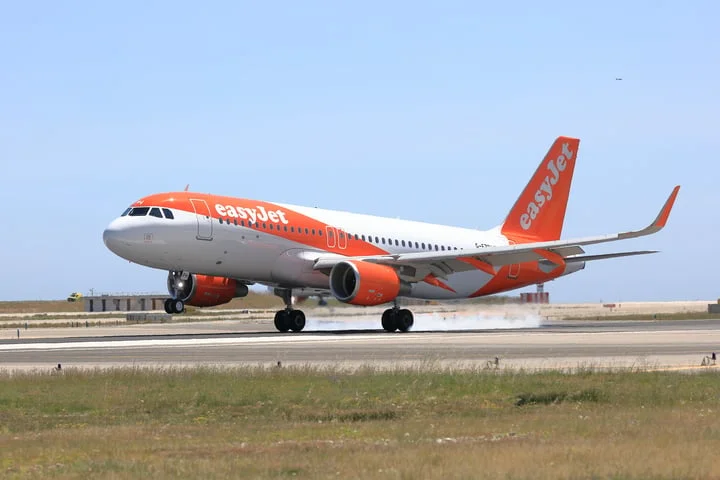
EasyJet, Ryanair, Air France-KLM, Delta Air Lines and India’s biggest airline IndiGo are among companies increasing fares.
The rises will push up the cost of flying to and from London airports including Heathrow , Gatwick , Stansted and Luton.
They come as passengers are already being warned that their flights to destinations around the world could be delayed or cancelled due to the impact of the US/Israeli war on Iran.
The airlines are passing on the costs of the biggest ever supply shock to the oil industry, triggered by the conflict.
Tehran has responded to airstrikes by effectively closing the Strait of Hormuz to vessels linked to the West by targeting more than 20 tankers since Trump launched his war.
Around a fifth of the world’s oil and liquefied natural gas passes through the key strait.
Jet fuel prices, which averaged at about $85 (£64) to $90 (£68) before the US and Israeli strikes on Iran started in February, have surged to around $209 (£158) per barrel globally, according to the International Air Transport Association.
They could rise even higher after Trump warned that Iran’s “civilisation will die” unless Tehran reopens the strait.
Here is how airlines are responding:
EasyJet chief executive Kenton Jarvis said European consumers should expect higher ticket prices towards the end of summer, when existing fuel hedges come to an end.
“With jet oil prices doubling during March we expect all airlines will pass on these higher costs in the form of higher air fares post Easter and later this summer,” said a company spokesperson.
“We urge all passengers to book their flights (and holidays) as soon as possible and then they will be insulated from inevitable air fare and accommodation cost increases after Easter and later this summer.”
Price of oil tumbles as global stocks rebound on two-week ceasefire
Keir Starmer welcomes US-Iran ceasefire amid efforts to reopen Strait of Hormuz
'End war swiftly,' Britain urges Trump after he agrees two-week ceasefire with Iran
Winter escapes and activities to end the year in style
British Airways-owner IAG said on March 10 it did not plan to increase ticket prices immediately, as it has hedged much of its fuel for the short- to medium-term.
The airline group said it planned to increase long-haul ticket prices to address surging fuel costs, with cabin fares set to rise by 50 euros (£44) per round trip.
The airline was one of the first to announce broad increases to ticket prices on March 10.
India’s Akasa Air said it was introducing a fuel surcharge ranging between 199 and 1,300 Indian rupees (£1.60 to £10.50) on domestic and international flights .
The US carrier said it expected a $400 million (£302 million) increase in first-quarter expenses as fuel prices surge.
The Hong Kong airline said it would hike its fuel surcharge by 34% across routes from April 1 and review them every two weeks.
The US-based carrier said it will raise fees for checked bags on domestic and select short-haul international routes by $10 (£7.50) each on the first and the second bag.
The cost of a third bag will increase by $50 (£38), it added.
The airline said it would raise fuel surcharges by up to 35% from March 12, with the sharpest increase on flights between Hong Kong and the Maldives, Bangladesh and Nepal.
India’s biggest airline said it would introduce fuel charges on domestic and international flights from March 14, including a charge of 900 rupees (£7.30) for flights to the Middle East and a charge of 2,300 rupees (£18.70) for flights to Europe.
The US-based low cost carrier said it was increasing fees for optional services such as checked baggage as it experiences “rising operating costs.” Baggage prices will rise by either $4 (£3) or $9 (£6.80), the company said.
The South Korean flag carrier plans to implement phased response measures based on oil price levels, and step up company-wide cost efficiency to offset surging fuel costs.
PAKISTAN INTERNATIONAL AIRLINES
The carrier said it would raise domestic flight fares by $20 (£15) and international fares by up to $100 (£75), citing higher fuel surcharges.
The Scandinavian airline, which had already increased flight prices, said it would cancel 1,000 flights in April because of high oil and jet fuel prices.
For March, it said it had cancelled a “couple hundred” flights.
The Thailand-based carrier said it would raise fares by 10% to 15% to address rising fuel costs.
SunExpress, a joint venture between Turkish Airlines and Lufthansa, said it would impose a temporary fuel surcharge of 10 euros (£8.70) per passenger from May 1 on routes between Turkey and mainland Europe.
United has been able to raise fares without materially hurting bookings in response to the rapid increase in oil and jet fuel prices, chief commercial officer Andrew Nocella said.
The carrier is also reportedly increasing first and second checked bag fees by $10 (£7.50) for customers travelling in the US, Mexico and Canada and Latin America.
The Vietnamese budget airline said it had adjusted flight frequency on selected routes due to potential fuel shortages.
The carrier plans to cancel 23 flights per week across domestic routes from April, Vietnam’s aviation authority said, after the airline requested government assistance to remove an environmental tax on jet fuel.
Virgin Australia said it was adjusting fares to reflect rising cost pressures across the aviation sector, which it said were being significantly exacerbated by the situation in the Middle East.
Related Stories



Source: This article was originally published by Evening Standard
Read Full Original Article →
Comments (0)
No comments yet. Be the first to comment!
Leave a Comment