
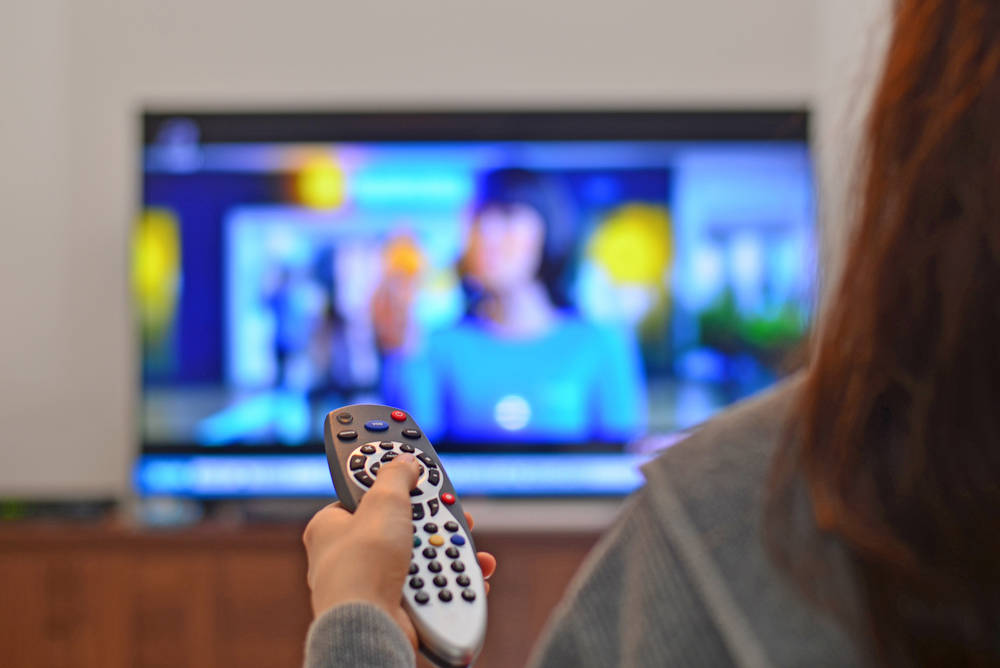
Open letter warns tech is shaping what audiences see while slipping past regulation
Europe's broadcasters say smart TVs and voice assistants are fast becoming the next Big Tech gatekeepers, with little sign of Brussels stepping in.
The warning comes in an open letter addressed to European Commission executive vice-president Teresa Ribera, signed by industry groups including the Association of Commercial Television and Video on Demand Services in Europe (ACT) and the European Broadcasting Union (EBU).
The letter urges the Commission to bring connected TV operating systems and virtual assistants within the scope of the Digital Markets Act (DMA), arguing that both now sit squarely between audiences and the content they're trying to watch or hear, with growing influence over how that content is surfaced.
The DMA is supposed to rein in "gatekeepers" with rules against self-preferencing and unfair access, but so far, no connected TV platforms or virtual assistants have been put in that bucket, a gap the letter says is only getting wider.
"With the future viability of many European TV broadcasters at stake, and with millions of EU businesses and consumers relying on CTVs to promote and access an expanding range of content via TV applications, it is crucial that the Commission designate major TV operating systems as gatekeepers and ensure adequate oversight to guarantee fairness and contestability," the letter states.
"While CTVs can offer significant opportunities for European businesses to develop and compete – not only in audiovisual content, but also in gaming, health and other applications – these opportunities risk being undermined by entrenched gatekeeping practices."
The fear is that if a platform controls both how content is delivered and how it's found, it doesn't take much imagination to see how it might nudge things its own way, whether that's pushing its own services, striking cozy deals, or quietly steering recommendations out of public view.
For broadcasters, particularly public service outfits already under pressure, there's the risk of being quietly edged out of view on the very devices audiences now use to access TV and radio.
Virtual assistants complicate things further.
Unlike a single operating system, they operate across TVs, smartphones, cars, and smart speakers, acting as a universal interface for content discovery.
That reach, the groups argue, effectively turns them into gatekeepers in all but name, even if they don't yet meet the DMA's formal thresholds.
Brussels is essentially being told to act early for once, either by designating these platforms under the DMA or by at least opening the hood before user habits set and market power quietly locks in.
®
Related Stories

Source: This article was originally published by The Register
Read Full Original Article →
Comments (0)
No comments yet. Be the first to comment!
Leave a Comment