
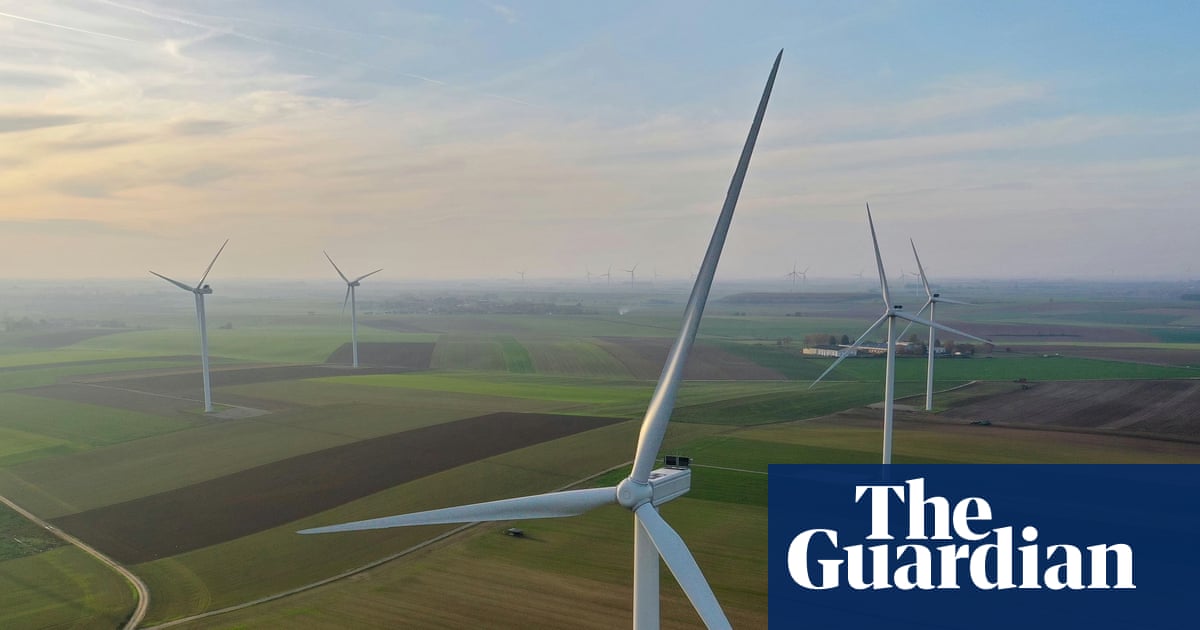
The EU’s reluctance to replace petrol cars and gas boilers keep it hooked on foreign fuels, say industry groups
Europe has made “staggering progress” in producing clean power but neglected efforts to phase out fuel-burning machines, the head of an industry group said as the global oil crisis deepens.
Adrian Hiel, director of the Electrification Alliance, said the EU has “radically transformed” its power supply and must now focus on getting “more electricity into the stuff we use every day”.
The sluggish pace of electrification has left households exposed to higher bills as the Iran war has sent oil and gas prices soaring just four years after the last energy crisis.
On Friday, the International Energy Agency said a faster shift to electric cars and heat pumps would complement its drastic fuel-saving action plan to quell the price shock.
“Act one was cleaning up our power supply,” said Hiel.
“Act two is getting that clean European electricity into buildings, industry and transport.
It’s a completely different challenge that we haven’t really faced off with yet.”
The EU adds almost enough solar panels and wind turbines each year to meet its green goals but has been reluctant to replace the petrol cars and gas boilers keeping it hooked on foreign fuels that foul the air.
Hiel said the response to the last energy crisis was “panicky” but spurred an expansion of renewable energy that had left Europe better prepared for this crisis.
Now, high taxes on electricity were among the biggest barriers to the green transition, he added.
“Thirty years ago, our electricity was coal-fired and dirty and bad for your health – it made sense to treat it like alcohol and tobacco,” he said.
“But now it’s the healthy option.
We need to tax it like a fresh apple.”
EU leaders have acknowledged the disparity in energy taxes threatens the strategic goals of clean air and secure energy.
On Thursday, Ursula von der Leyen, the president of the European Commission, said she would make sure “electricity is taxed less than fossil fuels” by mandating lower rates.
The Electrification Alliance includes industry associations such as SolarPower Europe and the International Copper Association Europe, as well as Transport & Environment, a climate thinktank.
The group has called for a faster switch to an economy powered by decarbonised electricity.
He said the combination of energy savings, a reduction in his mortgage rate, and an upfront grant mean he is “basically completely insulated” from the energy crisis.
“In 2015, it was going to be a real sacrifice – the costs were enormous and it was never going to pay back – whereas now it’s completely different,” he said.
“It’s not going to cost me a cent overall.”
The US-Israel war on Iran, which began in late February, provoked retaliatory strikes that shut the strait of Hormuz , through which 20% of the world’s oil and seaborne gas flows.
In recent days, attacks on major refineries throughout the Middle East – including in Qatar, a key supplier of Europe’s liquefied natural gas (LNG) – have led analysts to fear high fuel prices will persist even if the war soon ends.
Related Stories
Source: This article was originally published by The Guardian
Read Full Original Article →
Comments (0)
No comments yet. Be the first to comment!
Leave a Comment