
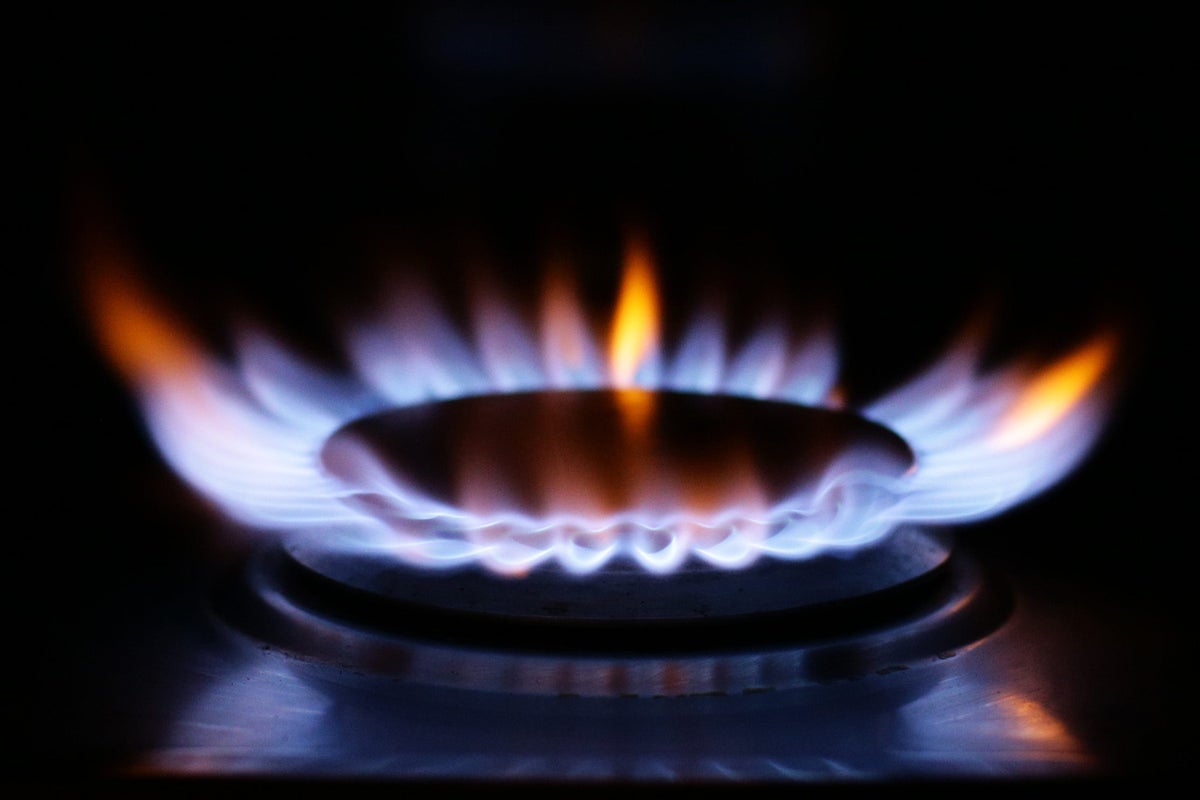
Cancer-causing substance benzene was found in all 72 domestic gas samples collected in the UK, the Netherlands and Italy
High levels of the carcinogen benzene have been discovered in the domestic gas supply for four cities in the UK by researchers .
The substance, which occurs naturally in oil and gas fields, has no safe exposure level according to the World Health Organisation and in high levels is associated with leukaemia and DNA damage.
The UK government’s website states it is very unlikely someone could be exposed to a level of benzene high enough to cause adverse health effects.
Levels in Britain are under stringent control, and the EU has an annual limit value (1.6ppbv).
But researchers at the Stanford Doerr School of Sustainability found benzene in all 72 domestic gas samples collected in the UK, the Netherlands and Italy, with 40 of these samples taken from London, Edinburgh, Manchester and St.
Neots in Cambridgeshire.
Between 2023 and 2024 the highest benzene reading was found in London at 200ppmv, which is significantly higher than the EU-recommended levels.
In Edinburgh and Manchester the highest readings were 57ppmv and 53ppmv respectively, while the lowest level recorded in the UK was also in London at 4ppmv.
“Given these high concentrations, a lot of people are likely being chronically exposed to benzene without knowing it,” PSE air quality scientist and lead author of the study, Dr Tamara Sparks said.
The calculated benzene exposure from the larger leaks measured in the UK is worse than living with a smoker, in terms of benzene exposure alone.
For context, a person smoking 20 cigarettes a day has an estimated four-times greater intake of benzene than a non-smoker.
Researchers also tested gas samples for sulfur-based odourants, added by gas companies to help people detect leaks and avoid explosions.
In the UK and the Netherlands odourant levels were too low to alert most people to leaks large enough to lift concentrations to unhealthy limits.
They calculated that benzene concentrations from a gas leak could reach 62ppbv in London before odour levels indicate a leak – that’s almost 40 times the annual EU benzene limit value of 1.6ppbv
PSE executive director Dr Seth Shonkoff said: “The levels of benzene we found in the distribution system gas in the UK and the Netherlands are frankly eye-popping.
That means even a small leak can pose significant health risks quickly indoors and outdoors.
Whether it’s leaking from a pipeline or a stove in someone’s kitchen, it’s all the same gas, and health risk travels with it.”
The Health and Safety Executive has been contacted by The Independent for a comment.
Join thought-provoking conversations, follow other Independent readers and see their replies
Related Stories
Source: This article was originally published by The Independent
Read Full Original Article →
Comments (0)
No comments yet. Be the first to comment!
Leave a Comment