
The Independent's journalism is supported by our readers.
When you purchase through links on our site, we may earn commission.
Some 450,000 Americans may be living with alpha-gal syndrome, experts warn
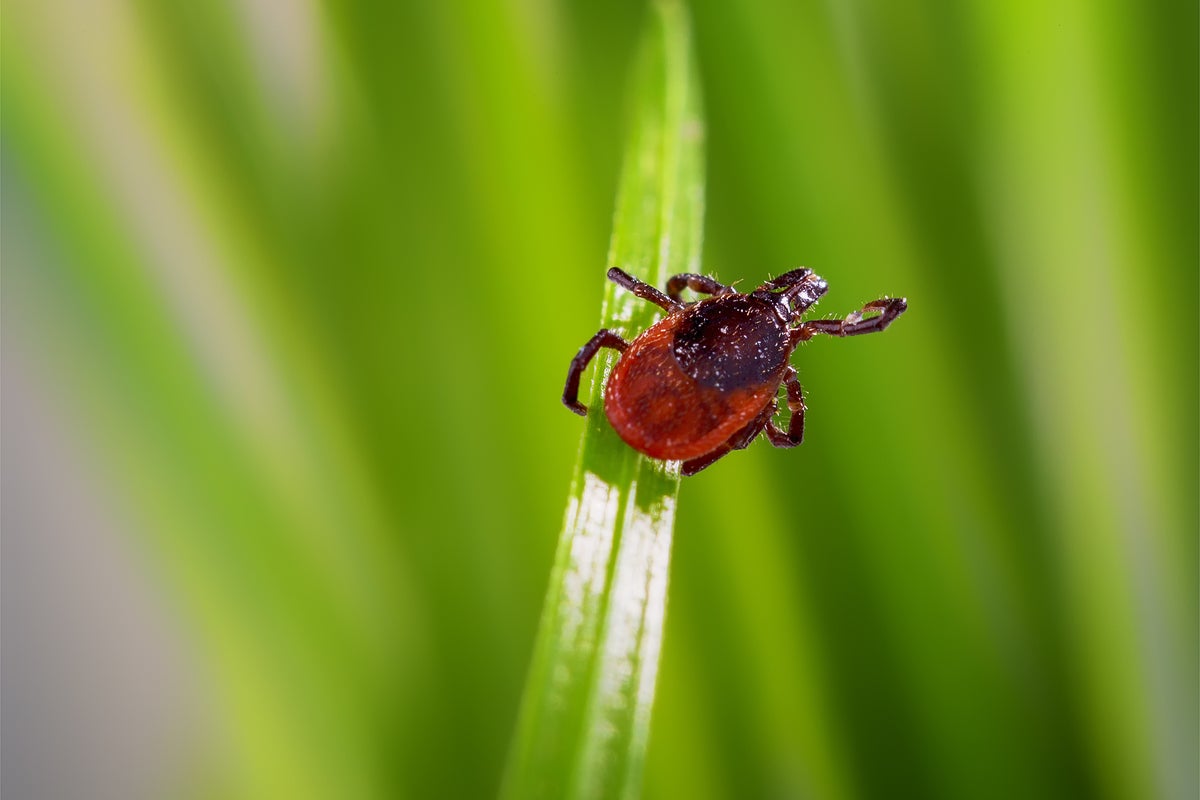
Alpha-gal syndrome , a tick-borne illness that can cause people to develop a life-threatening allergy to red meat , is spreading across the U.S.
Researchers estimate that as many as 450,000 Americans may be living with the syndrome, according to Stony Brook Medicine, most of whom are unaware they are affected until sudden and concerning allergic reactions occur.
“Many develop symptoms after eating foods they have enjoyed their entire lives, often without realizing a tick bite triggered the change,” the hospital noted.
That’s particularly alarming because there is no cure for the illness and reactions can be fatal.
Two deaths linked to the syndrome have been reported in the U.S., including a 47-year-old New Jersey pilot who died after he was bitten by an infected tick and later ate meat at a barbecue.
There has also been a huge spike in ticks known to be carrying alpha-gal antibodies, while experts also fear the syndrome is “underdiagnosed.”
“As a result of it being underdiagnosed and underreported, there may be more deaths that we don’t even know about, because that connection hasn’t been made,” Purvi Parikh, an allergist and immunologist with the Allergy and Asthma Network, said, according to BillyPenn.
Warmer weather linked to human-caused climate change is expanding habitats that are hospitable to ticks tied to alpha-gal syndrome.
Ticks like warm, humid and shaded environments.
Previously, it was believed that lone star ticks, which are found east of the Rocky Mountains, were the only species capable of triggering the disease.
But researchers said last year that West Coast-based western black-legged ticks and eastern and midwestern deer ticks are also responsible.
“We’re seeing cases far beyond the Southeast, including in the Northeast and Midwest,” Dr.
Vinay Jahagirdar, a gastroenterology fellow with Virginia’s VCU Gastroenterology Fellowship Training Program, said in a statement last October.
Jahagirdar and other researchers found there was a 100-fold increase in positive tests for alpha-gal antibodies from tick bites between 2013 and 2024, which triggers the allergic reaction.
More than 110,000 suspected cases of alpha-gal syndrome were identified between 2010 and 2022, according to data from the U.S.
Centers for Disease Control and Prevention.
Still, there is much that remains unknown.
Benjamin Casterline, an immunologist and dermatologist at the MU School of Medicine, is using artificial intelligence to find patterns and trends in blood samples from patients in the southern state.
"We don't know why the tick bite causes the allergy.
We don't know why the symptoms are so variable between different people," he told Missouri’s News Tribune on Wednesday.
Some people who are bitten and have no symptoms.
Others may experience nausea, vomiting, diarrhea, difficulty breathing and develop a rash about two to six hours after eating something with alpha-gal, according to the Mayo Clinic .
There is no cure for the condition, but some doctors may prescribe an epinephrine auto-injector, such as an EpiPen, for individuals who have experienced severe reactions.
Join thought-provoking conversations, follow other Independent readers and see their replies
Related Stories



Source: This article was originally published by The Independent
Read Full Original Article →
Comments (0)
No comments yet. Be the first to comment!
Leave a Comment