
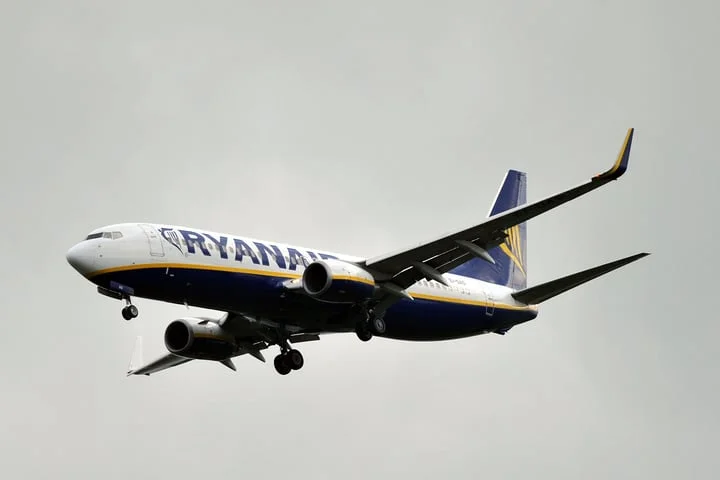
Holidaymakers are facing growing uncertainty over their summer plans amid fears of potential jet fuel shortages.
The crisis, triggered after Donald Trump ordered strikes on Iran which led to the closure of the Strait of Hormuz, could soon disrupt flights across Europe.
A fragile ceasefire is currently in place, but reports suggest vessels are still unable to pass through the Strait, raising concerns about ongoing disruption to global fuel supplies.
Airports Council International Europe said “the impact of military activity on demand” was already being felt, warning that fuel issues could “significantly harm the European economy”.
There is now mounting uncertainty about what lies ahead for the aviation sector.
In a memo seen by the Financial Times, EU transport commissioner Apostolos Tzitzikostas warned there are “increasing concerns of the airport industry over the availability of jet fuel as well as the need for proactive EU monitoring and action”.
“If the passage through the Strait of Hormuz does not resume in any significant and stable way within the next three weeks, systemic jet fuel shortage is set to become a reality for the EU,” the note reads.
Air travel was already hit in the early stages of the conflict, with dozens of airlines cancelling flights across southwest Asia and leaving tens of thousands stranded.
While holidays to other regions have so far avoided major disruption, there are growing signs the wider fallout could start to bite.
Countries around the world are already taking steps to conserve energy , including shortening workweeks and limiting evening activity.
Airports warn of ‘systemic’ jet fuel shortage if Strait of Hormuz stays closed
Starmer 'fed up' as he blames actions of Trump and Putin for cost of living crisis
Woman gives birth on a plane to US - sparking claim to nationality debate
Make 2026 the year of working smarter
Budget airlines operating across Europe have also signalled concern about what may come next.
A Ryanair spokesperson said: “We don’t expect any near-term fuel shortages, but the situation is fluid.
At present our fuel suppliers can guarantee supply to mid-end May.
If the Iran war finishes soon then supply will not be disrupted.
If the closure of the Hormuz Straits continues into May or June then we cannot rule out risks to fuel supplies at some airports in Europe.”
Attention is now turning to peace talks expected to take place this weekend in Pakistan, where US and Iranian officials are due to meet in a bid to de-escalate the crisis.
Israel’s continued bombing of Lebanon — which has killed hundreds of civilians despite the ceasefire — is expected to be a key issue in discussions.
However, on Friday, Trump said US forces were rearming in preparation for the possibility of further hostilities, raising fresh doubts over how quickly the situation can be resolved.
Related Stories



Source: This article was originally published by Evening Standard
Read Full Original Article →
Comments (0)
No comments yet. Be the first to comment!
Leave a Comment