
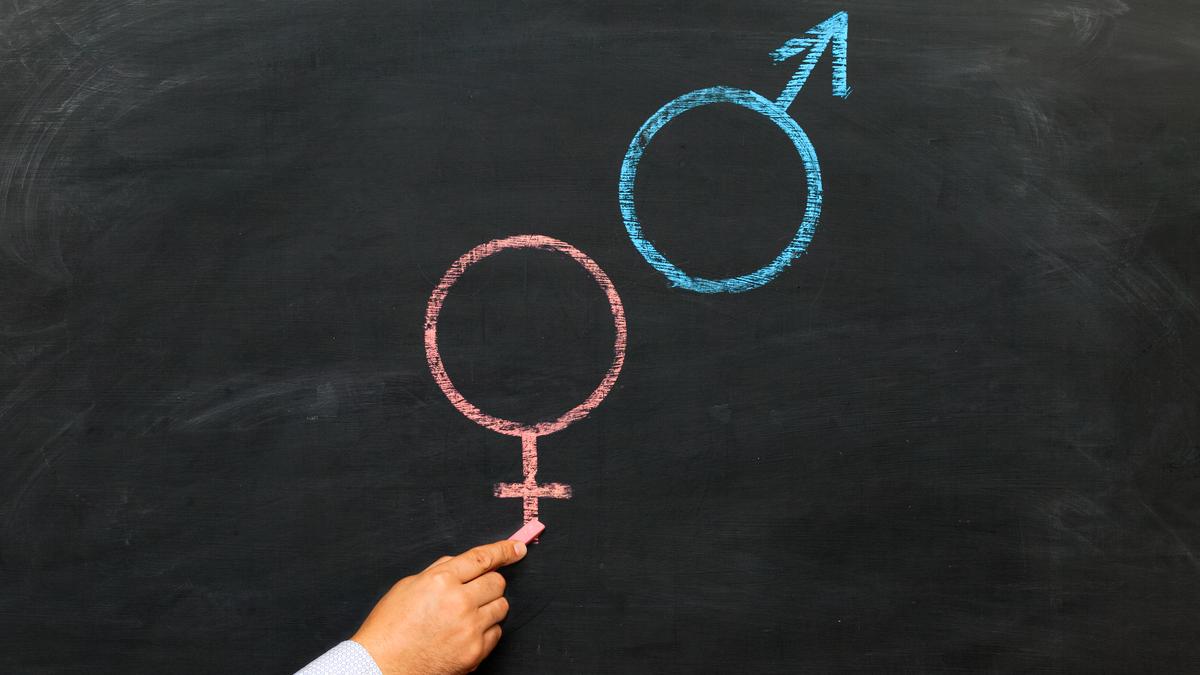
S exuality, intimacy, and mental health are closely linked yet heavily stigmatised, resulting in a culture of silence; shame and fear surrounding sex and intimacy can exacerbate mental health issues.
The WHO has stated that “immense suffering can occur when people lack bodily autonomy, control over their fertility or the freedom to experience safe, consensual and satisfying sexual relationships”.
In 2024, the Supreme Court emphasised the need for comprehensive sex education programmes in order to promote open discussions about intimacy and sexual health.
As German Academic Exchange Service (DAAD) fellows between Germany and India, the authors’ classroom experiences of teaching about the diversity of human sexualities, in both contexts, found that there is a need to resist and challenge the marginalisation, invalidation and disenfranchisement of lived intimacies in higher educational institutions.
Deeply ingrained social stigmas, silence and taboos about intimate relationships are perpetuated in academia, evidenced by the miniscule number of courses and discussions on the topic.
Academia often promotes a culture of resistance, fear and anxiety over informed exchange and empowering discourse, particularly in the light of increasing student suicides in India.
By prioritising a biomedical approach as well as majoritarian norms, higher educational spaces disregard the dimension of pleasure and the impact of socio-cultural and oppressive factors on intimate experiences.
In India, the mental health curriculum is often found to be heteronormative and cisgendered without accounting for sexual marginalisation and human diversity.
‘Sexuality’ is limited to heterosexual dysfunctions, erasing topics such as consent and sexual politics, framing it as a medical issue alone.
Complex lived realities and the structural violence faced by queer people are erased, inhibiting the development of cultural and structural competence required for effective clinical practice.
As a consequence, sexual minorities often experience institutional discrimination and inadequacies in the provision of support when they access counselling services.
With psychologists being increasingly appointed in universities to deal with suicide and mental health problems in India, such ethical and epistemic gaps fail to reckon with oppressive institutional contexts.
It diminishes the capacity of mental health professionals to initiate transformative structural change oriented on sexuality, gender and relationship equality.
Sex education a big miss in NEP 2020; counter-intuitive benefits
Social justice, sexual education, the need of our times
Why India needs to change its approach towards sexuality education
Addressing sensitive topics such as mental health, violence, and intimacy in higher educational settings comes with particular challenges.
A workshop and film screening that took place at the University of Münster in Germany featuring a filmmaker who uses unconventional pornography as a form of sex education highlighted some of the difficulties.
While appreciating the effort to tackle the issue, students found themselves uneasy during the discussion.
Was it appropriate to open up about one’s own experiences, or was it safer to maintain a detached, impersonal, and abstract tone, as is often expected in academic settings?
Education should harness the diversity within classrooms and transcend mere knowledge transfer and workforce training, aiming instead to cultivate critical thinking and awareness.
This is particularly urgent in today’s context, where anti-democratic movements seek to erase and marginalise the experiences of LGBTQ+ individuals, promoting a narrow and exclusionary view of sexuality and intimacy.
Furthermore, it is crucial to address the growing mental health concerns affecting young people, who face immense pressure from family expectations, societal demands, and the weight of multiple global crises.
In 2025, the Supreme Court sought responses from the government on integrating transgender-inclusive comprehensive sexuality education into school curricula.
In the same year, the Court issued pan-India guidelines to address suicide and mental health issues among students in which gender and sexual orientation figured as reasons for discrimination at higher educational institutions.
By creating diversity-aware and compassionate learning environments, students can develop the tools to navigate contemporary challenges and create a more inclusive, equitable, and just world.
Fostering allyship and care communities within educational institutions should take precedence over short-term fixes such as hiring more mental health professionals or facilitating isolated events or workshops, without creating a sustained conversation or support system.
Annika Strauss is Lecturer, Department of Social and Cultural Anthropology, University of Muenster, Germany.
Sudarshan R.
Kotta is Assistant Professor, Department of Humanities and Social Sciences, Indian Institute of Technology Palakkad, Kerala
Related Stories



Source: This article was originally published by The Hindu
Read Full Original Article →
Comments (0)
No comments yet. Be the first to comment!
Leave a Comment