
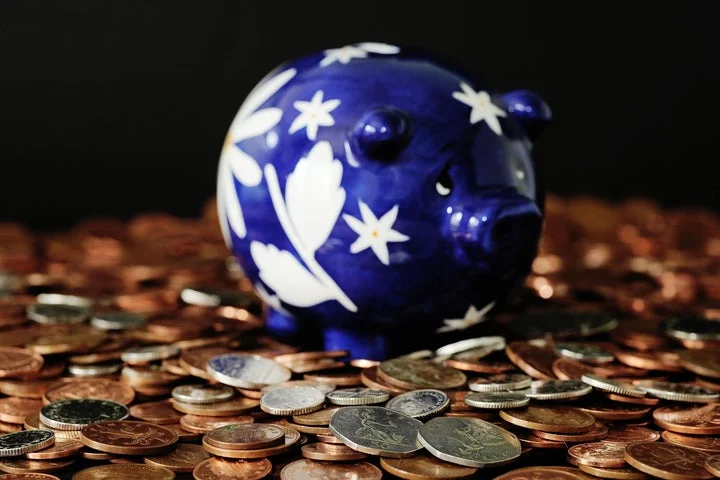
The 2026-27 tax year is the last that the tax-free annual limit on cash Isas will be at £20,000 for adults of all ages, under planned rule changes.
Catherine Wray, head of saving at Leeds Building Society, said: “This will be the last year that tax-free limit on cash Isas will remain at £20,000 for all.
“Next April it reduces to £12,000 unless you are over 65, in which case there is no change.
She added: “Cash Isa savings remain indispensable; they help achieve savings goals, give people stability and financial resilience to allow them to consider investing at the right time for them.
“In an uncertain world, the security provided by savings gives psychological safety for consumers, as a third of consumers are put off investing by global instability.
“In fact, 49% of people we surveyed said they are drawn to cash savings for their accessibility, 46% for the predictable returns and 45% for their simplicity, which in turn help to reduce financial stress.
“The start of the tax year is a good time to revisit your financial goals and ensure your plans still align with them.
She added: “We know different people have varying levels of risk appetite, and investing in the stock market comes with the possibility of losses as well as gains.
“Understanding one’s emotional and financial ability to withstand these fluctuations is key to selecting the right approach.”
Isas allow people to ringfence their savings and investments from tax.
The allowance, which has remained static, enables people to earn interest on savings without paying tax on it.
Basic rate taxpayers can earn up to £1,000 in interest per year, while higher rate taxpayers can earn up to £500 under the tax-free allowance.
Meanwhile, a £20,000 investment in the top one-year cash Isa that paid 4.45% would have earned £890 tax-free.
Rachel Springall, a finance expert at Moneyfactscompare.co.uk, said PSA levels have “not moved along with the times”.
She said: “Cash Isas don’t tend to pay rates too dissimilar to non-Isas at this time of year, because of the big push to improve deals during Isa season.
“So really, someone who has or is about to move up an income tax band would be wise to use up their cash Isa allowance, or lose it.”
She added: “The past 10 years have shown consumers the importance of building a healthy nest egg to help brave economic storms, it helps with financial resilience and to mitigate the reliance on short-term debt.”
Alice Haine, a personal finance analyst at Bestinvest by Evelyn Partners, said that while the PSA “was adequate when interest rates were at record lows, high interest rates in recent years, combined with frozen income tax thresholds, mean more people are finding themselves liable for tax on savings interest as salaries rise and individuals move into higher tax brackets.”
She added: “Effectively for every £100 in interest earned above the PSA on a standard savings account, a basic rate taxpayer keeps just £80…
“Ultimately, no one should be paying tax on their savings interest if they have an unused Isa allowance available.”
“While, for the risk-averse, cash savings may feel safer and be easily accessible, they might limit the potential for wealth to grow in real terms.”
The value of investments can go down as well as up and investors may get back less than they paid in.
Related Stories
Source: This article was originally published by The Independent
Read Full Original Article →
Comments (0)
No comments yet. Be the first to comment!
Leave a Comment