
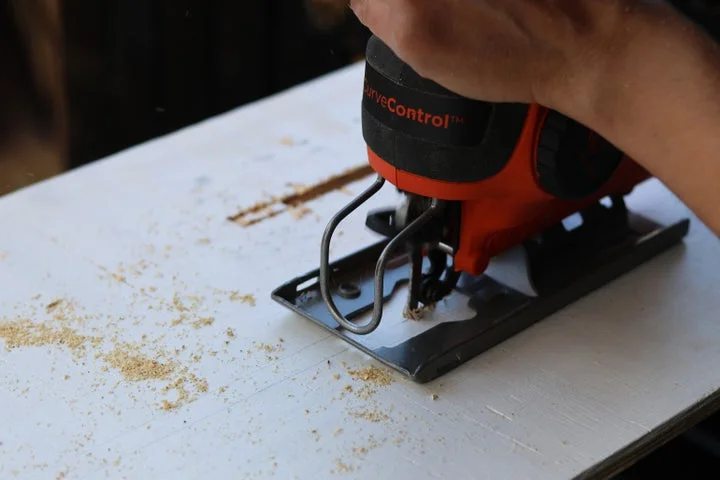
Do-it-yourselfers often are regarded as determined and self-sufficient, but the jobs they take on don’t fit into a single category
When something in the house stops working or needs to be replaced, the first impulse of many people is to call a contractor or comparison shop online.
Others have the mindset, skills, resources or time to handle it themselves.
However, novice mistakes or underestimating the work can end up making some projects more expensive in the long run.
There are also safety issues to consider.
Here are some questions to ask before taking on a project:
Why you might consider doing it yourself
That's why Finn started a lifestyle blog in 2013 titled “The DIY Playbook,” which became a destination for beginners who wanted to tackle some of projects she did.
Her early DIY work was to help decorate her apartment.
Her ability and comfort using tools increased over time, especially since moving into a house that is over 100 years old.
“It has made me a more confident person in my life.
If I can do or build that, I can handle anything,” she said.
Walker says she always wanted to travel but it was not an option for her to pay someone hundreds of thousands of dollars for a newly built campervan.
Converting the bus herself, including installing an electrical system for power and lights, and running water for the small shower and kitchenet, cost a fraction of that amount.
For beginners, taking on a project can seem daunting and some people don't know who or where to turn to.
There are lots of people online saying, “If I can do it, so can you.” There also are a lot of certified professionals warning of safety risks and the possibility of DIYers causing damage or encountering unexpected costs.
“You have to weigh the good and the bad: Am I willing to try, with the 50/50 chance I figure it out?” Walker said.
She also does extensive research before starting on a new project motivated by her desire to learn.
Walker said she cross-references online tutorials, checks out library books and asks other amateur and professional builders for advice.
She also takes safety precautions, such as wearing eye goggles, gloves and closed-toed shoes when cutting wood, working with sealants or lifting heavy things.
“When I first started, perfection was something I really strived for.
After a while you find the beauty in the imperfections," Walker said.
She said she prefers to do most of her own projects and repairs but also gives herself permission to ask for or hire help.
Balancing confidence with caution
“When it comes to structural changes, electrical work beyond swapping out a light fixture, or plumbing changes that involve moving lines or opening up walls, that is best left to the professionals,” Finn said.
She hires professionals for jobs requiring inspections and permits, or when she is not comfortable with the level of expertise needed.
Finding professional help was not always possible while driving through remote areas in her remodeled bus, so Walker often sought guidance online.
She recommends being cautious before relying on advice found on the internet.
“If I’m watching YouTube videos, I watch from a bunch of different creators and compare and contrast their work,” Walker said.
“Doing your due diligence of fact-checking and comparing resources is the best way to avoid getting false information on something that could be detrimental.”
Related Stories



Source: This article was originally published by The Independent
Read Full Original Article →
Comments (0)
No comments yet. Be the first to comment!
Leave a Comment