
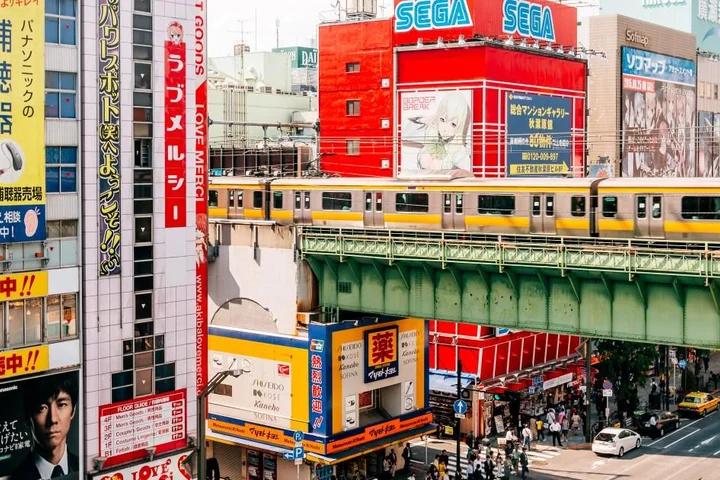
Japan’s tourism industry is having a great time, breaking records with over 42 million international visitors in 2025.
But like several destinations around the world, it’s fast becoming a victim of its own success.
And with rising popularity comes rising prices.
Take Venice, for instance, which doubled its controversial tourist tax last year.
Or Tenerife’s new eco-tax for hikers on select popular trails in Teide National Park.
So, it was only a matter of time until it all caught up with the Land of the Rising Sun — specifically in terms of train travel.
JR group companies, which operate the majority of Japan’s passenger and freight rail networks, have announced that the Japan Rail Pass will increase in price from October 1.
For years, the pass has been one of the most popular ways to explore the country among foreign tourists.
Best of Metro Deals
Get deal now
Get deal now
Get deal now
The ticket allows unlimited train travel on most JR trains across Japan, including Shinkansen bullet train services, widely viewed as a bucket-list experience.
Exceptions include the super-express Nozomi and Mizuho Shinkansen on the Tokaido, Sanyo and Kyushu lines.
To travel on these, pass holders must pay a supplementary fee.
Now, however, it’s all about to get more expensive.
How much will the Japan Rail Pass cost?
There are three types of Japan Rail Pass: a seven-day, 14-day, or 21-day standard option.
The seven-day ticket also has a Green Car Premium Class offering.
Naturally, longer durations and higher classes mean the ticket is more expensive.
Here’s what the new prices will look like:
• Seven-day Standard: The price will increase by 3,000 yen, making the new cost 53,000 yen (£246.29).
• Seven-day Green Car: The price will increase by 4,000 yen, with the new total 74,000 yen (£343.88)
• 14-day Standard: The price will increase by 4,000 yen, with a new price of 84,000 yen (£390.43)
• 21-day Standard: The price will increase by 5,000 yen, resulting in a final price of 105,000 yen (£488).
Why are prices increasing?
The increase comes after hikes by other JR group member companies.
In March, East Japan Railway Co.
raised fares on its trains by an average of 7.1%.
This rise (which lifted the base fare for local trains from 150 to 160 yen) was the company’s first major increase since its founding in 1987.
It also follows rising costs in railway operations.
Japan is known for its advanced railway system, which requires constant upgrades and high maintenance.
Additionally, as more international tourists visit the country, the demand on railway services has increased.
The hikes are a direct response to ensuring consistent quality and high standards on services.
Plus, overcrowding on popular routes is an ongoing problem.
Who is eligible for a Japan Rail Pass, and where can you buy it?
As previously mentioned, the Japan Rail Pass is aimed at foreign tourists.
It’s only available to travellers with a ‘temporary visitor’ status, or to Japanese nationals living abroad who meet specific, strict residency requirements.
You can purchase the pass online through the official Japan Rail Pass website.
Is the Japan Rail Pass worth it?
Despite being a seamless way to travel around Japan, there’s no denying that the Japan Rail Pass is quite expensive.
And according to full-time travellers on TikTok, there are plenty of cheaper train passes and routes available if you know where to look.
For example, one woman, who was visiting the golden trio of cities: Tokyo, Kyoto and Osaka, revealed that you only need to take one long-distance bullet train from the capital to either city at just £70 per person.
Because Kyoto and Osaka are just 30 minutes from each other, he recommended taking local trains between them.
These are a lot cheaper, and can cost as little as £3.
Others have broken down when the rail pass is actually worth it and explained when it’s not.
Stating that most itineraries don’t need it at all, many advised purchasing individual tickets or regional passes to travel between locations.
Related Stories


Source: This article was originally published by Metro UK
Read Full Original Article →
Comments (0)
No comments yet. Be the first to comment!
Leave a Comment