
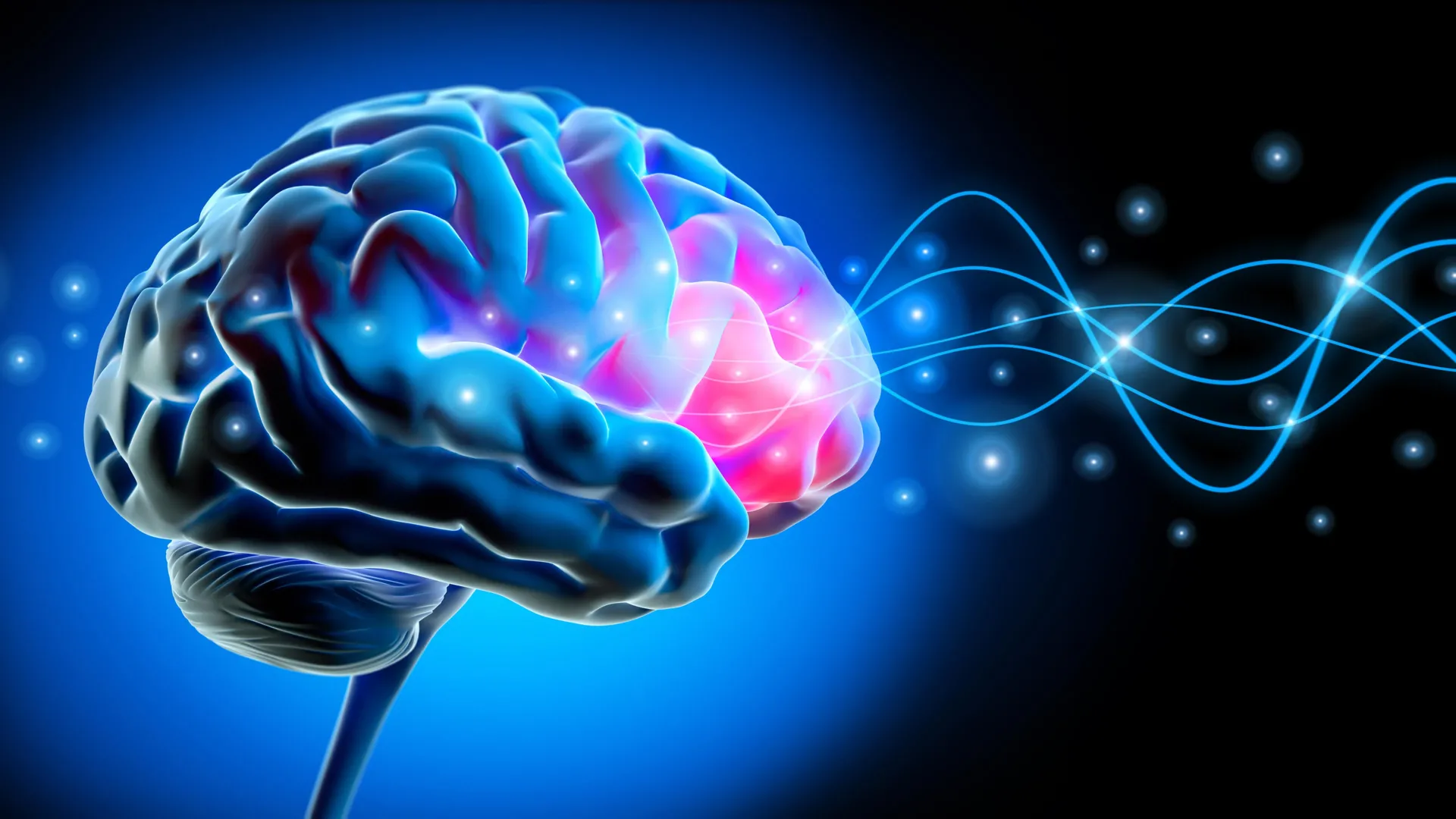
ADHD brains may briefly slip into sleep-like states, disrupting focus in real time.
People with ADHD may experience brief moments where the brain enters a sleep-like state, even while awake.
These episodes are linked to attention lapses, slower reactions, and increased errors.
Credit: Shutterstock
A new study published in JNeurosci explores how brief bursts of sleep like brain activity during wakefulness affect a person's ability to stay focused.
Elaine Pinggal of Monash University and her team investigated whether this type of brain activity plays a role in attention challenges, particularly in adults with ADHD.
To examine this, researchers measured sleep like brain activity in 32 adults with ADHD who had stopped taking medication and compared them with 31 neurotypical adults.
All participants completed a task that required sustained attention.
The results showed that individuals with ADHD experienced more frequent episodes of sleep like brain activity.
These moments were linked to more frequent lapses in attention.
Further analysis suggested that this brain activity may help explain why ADHD is associated with attention difficulties, including increased errors during tasks, slower reaction times, and greater feelings of sleepiness.
Why the Brain Slips Into Sleep Like States
Pinggal explains that these brief shifts in brain activity are not unusual, especially during mentally demanding tasks.
"Sleep-like brain activity is a normal phenomenon that happens during demanding tasks.
Think of going for a long run and getting tired after a while, which makes you pause to take a break.
Everyone experiences these brief moments of sleep-like activity.
In people with ADHD, however, this activity occurs more frequently, and our research suggests this increased sleep-like activity may be a key brain mechanism that helps explain why these individuals have more difficulty maintaining consistent attention and performance during tasks."
Potential Future Treatments Target Sleep Related Brain Activity
Previous research in neurotypical individuals has shown that auditory stimulation during sleep can enhance slow wave activity.
This may help reduce sleep like brain activity during the following day while a person is awake.
According to Pinggal, a possible next step is to test whether this same method could reduce daytime sleep like brain activity in people with ADHD.
If effective, it could point to new ways of improving attention and task performance.
Attention-deficit/hyperactivity disorder (ADHD) is a common neurodevelopmental condition that affects both children and adults.
It is characterized by persistent patterns of inattention, hyperactivity, and impulsivity that can interfere with daily life, including school, work, and relationships.
People with ADHD may have trouble staying focused, following through on tasks, organizing activities, or controlling impulses.
The condition is linked to differences in brain function and development, particularly in areas involved in attention, self-control, and executive function.
Symptoms can vary widely, with some individuals primarily experiencing inattentiveness, while others show more hyperactive or impulsive behavior, or a combination of both.
Materials provided by Society for Neuroscience .
Note: Content may be edited for style and length.
Webb Telescope Reveals a Bizarre Planet With a Giant Ocean of Magma Just 35 Light-Years Away
Scientists Reveal the Simplest Rule for Building Strength
New Research Reveals a Simple Supplement May Slow Biological Aging
Scientists Discover Hidden “Gatekeeper” Inside Brain Cells Linked to Alzheimer’s
Related Stories



Source: This article was originally published by Science Daily
Read Full Original Article →
Comments (0)
No comments yet. Be the first to comment!
Leave a Comment