
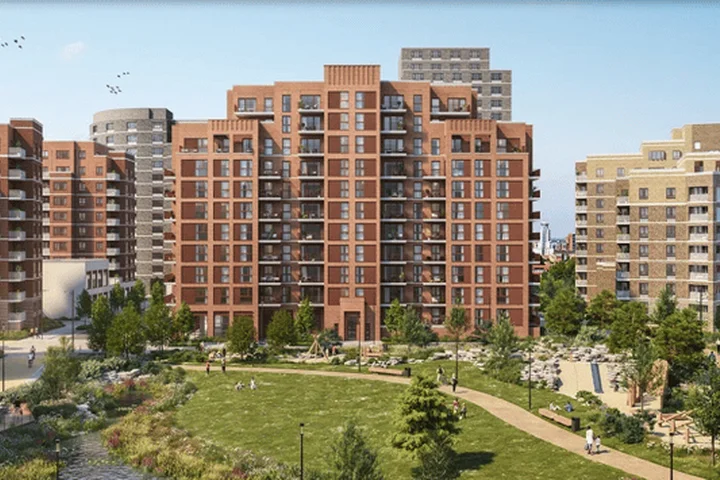
In a bombshell strategy update Berkeley Group laid out a new policy “to reflect the current operating environment.” It said that hopes of as recovery in the market have been dashed by the outbreak of war in Iran “and the macroeconomic consequences, including reduced potential for further rate cuts.”
The company, which has more than 50 sites all around London and the south east said that it needed a “stable, predictable and supportive operating environment” to make the required financial returns on the upfront investments it makes in the “brownfield regeneration projects” it specialises in.
However, “recent years have seen an unprecedented increase in cost and regulation, at a time of increasing interest rates and faltering consumer confidence, amidst prolonged geopolitical and macro-economic volatility and uncertainty.”
This has included the Government news building safety regulatory regime put in place after the Grenfell disaster which “has lengthened the time between obtaining planning approval and starting on site by around twelve months.
“
Berkeley said that, as a result, it “does not believe it can make its required rate of return on investment in new land acquisitions.
This is due to the continuous increase in the tax and regulatory burden on residential development, which other land uses do not experience, allowing them to pay higher land values.
Where residential transactions have been taking place, land prices have been overheated.
“Berkeley is therefore not proposing to acquire new land while these conditions prevail, except through joint venture arrangements, and will focus on its existing land holdings.”
The hard stop to land buying comes after a sharp slowdown in acquisitions with just three sites bought over hte past three years.
FTSE 100 Live: Index up 1.8% as Rolls and IAG surge, oil price below $100
Nearly a third of London's nighttime performers feel less safe
Discover a hidden island paradise in the Indian Ocean
These include a reduction in the level of affordable housing needed for a scheme to qualify for fast-track planning from 35% to 20%, and temporary relief from the Community Infrastructure Levy charges paid by developers for schemes that meet affordable housing targets.
Berkeley said it will continue to target an operating margin “within its historic range of 17.5% to 19.5%” and anticipates delivering more than £1.4 billion of pre-tax profit over the next four years up to 2030.
Related Stories



Source: This article was originally published by Evening Standard
Read Full Original Article →
Comments (0)
No comments yet. Be the first to comment!
Leave a Comment