
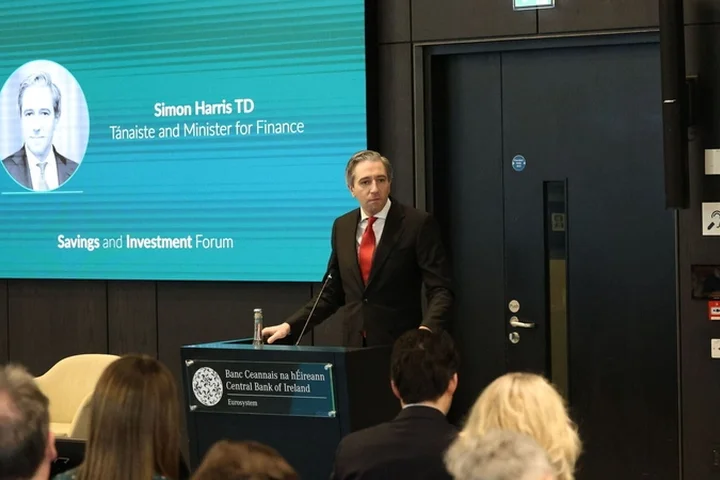
A single flat rate of tax is set to be applied to a new savings account that the Tánaiste Simon Harris hopes will be up and running next year.
Speaking at a forum today which is examining the outline of the new scheme, Mr Harris said the current tax system around savings is too complex.
Simplicity is going to be the key component of this new account, according to the Finance Minister.
The tax rate will be charged on savings above a certain amount.
The Tánaiste said that while that figure has not been nailed down, it would have to be one which made it worth people's while to invest.
Simon Harris said these changes could create a culture and a tax system that is helping people in the squeezed middle who are trying to build up their economic resilience.
He added that sometimes the State must get out of the way and not hinder people who are doing the right thing by saving money.
Mr Harris convened the meeting of relevant industry and policy stakeholders to inform the process of establishing the investment account.
Representatives from banks and credit unions as well as the Governor of the Central Bank and EU officials are taking part.
Currently, Irish people hold just over 2% of their financial assets in direct investments such as stocks and bonds.
Cabinet ministers were told last week that the preferred model being examined for the account is a Swedish system called Investeringssparkonto (ISK).
It will also be announced that the Department of Finance will run an Expression of Interest for the appointment of financial literacy ambassadors.
Fine Gael's investment scheme amounts to a tax break for millionaires, according to Social Democrats finance spokesperson Cian O’Callaghan.
Deputy O’Callaghan said: "Simon Harris and Fine Gael have shown their true colours as they roll out their latest scheme to allow millionaires dodge tax.
"The rich and their accountants will make hay as they shift their investments around to make the most of this latest Government handout.
"The cost of this tax break could amount to billions over years.
But most people will ultimately be paying for these tax cuts and will never see the benefits - the families struggling to put food on the table; the pensioners afraid to turn the heating on; and the young people spending all their money on rent."
Related Stories



Source: This article was originally published by RTÉ News
Read Full Original Article →
Comments (0)
No comments yet. Be the first to comment!
Leave a Comment