
From probiotic drinks to Dubai chocolate, the UK doesn’t hold back when a new food trend hits.
We’ll queue for hours, or even set alarms before sunrise, just to get our hands on the latest best kept secret.
But this time, it’s not neon-coloured drinks or picture-perfect desserts dominating feeds and supermarket shelves.
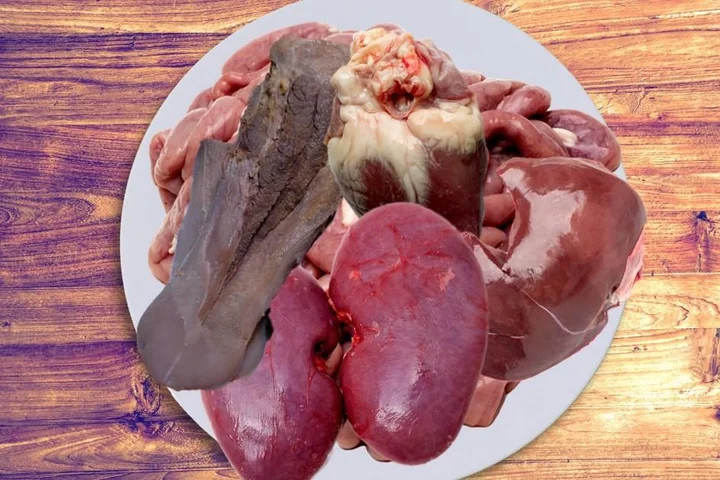
Instead, shoppers are piling their trolleys high with offal, the internal organs and entrails of animals, in a trend that’s as surprising as it is old-school.
Are we about to see Pizza Express and Wagamama introduces a lamb liver speciality…?
Compared to this time last year, interest in offal products has skyrocketed.
Insight from Waitrose.com tracks this trend clearly.
For example, search interest in ‘lamb liver’ is up 54%, ‘oxtail’ by 76%, and ‘lamb neck’ by 28%.
This growing interest has also translated into actual sales, with the supermarket revealing that the following products have seen the most significant increases:
- Lamb liver +33%
- Lamb kidneys +25%
- Lamb hearts +91%
- Beef rump heart steak +88%
Why is offal becoming more popular?
According to Libby, this growth in popularity may be due to a number of factors.
For one, offal is often considered a less desirable cut, meaning it tends to be more affordable and accessible.
The combination of post-Brexit supply issues and rising costs in the farming industry has meant that meat prices in the UK have risen significantly.
Hey, foodies!
Add us as a Preferred Source
At Metro Food, we're here to bring you all the latest foodie news, delicious recipes, restaurant reviews, and cooking tips.
As a loyal reader and a part of our vibrant community, we want to make sure you never miss our articles when searching for stories
Click the button below and tick Metro.co.uk to ensure you see stories from us first in Google Search.
In 2025, data revealed that there 15.9% increase, driven largely by a 32.3% surge in beef prices.
Given the fact that offal is an exceptionally rich source of high quality protein, it’s understandable why a number of young people, many of whom are increasingly health conscious, opt for these cheaper cuts.
Unlike muscle meat, each animal organ offers a different flavour palette.
Liver has a rich, earthy, and slightly sweet flavour with a creamy, tender texture when cooked properly.
On the other hand, kidneys are described as having a more ‘gamey undertone’, with a lightly metallic profile.
Incorporating these ingredients into your weekly shop is a more sustainable approach to cooking.
However, vegans, or anyone with a sensitive stomach, might not agree.
But why the interest in entrails in the first place?
What is ‘Grandma-style’ cooking?
Hailed as thrifty and intuitive, ‘grandma-style’ cooking refers to the art of using humble ingredients to make large, hearty meals for the entire family – without breaking the bank.
It leans in to a ‘from scratch’ mindset, repurposing food that would’ve otherwise gone to waste.
Championed by the chefs at London legacy restaurant St John, this method of preparation harks back to classic cooking techniques passed down by generations.
Oxtail stew, chitterlings (made from the small intestines of a pig), and pork offal faggots utilise elements of the animal that are typically forgotten or discarded.
According to some, adopting this approach actually encourages the cook to demonstrate a ‘certain respect to the animal’.
It might not be for everyone, but the appetite for entrails is well and truly alive.
So, the real question is: will you be adding lamb liver to your next weekly shop?
Related Stories



Source: This article was originally published by Metro UK
Read Full Original Article →
Comments (0)
No comments yet. Be the first to comment!
Leave a Comment