
On January 20, 2026, the Calcutta High Court had asked the NIA to consider whether it should invoke suo motu powers under Section 6(5) of the NIA Act to take over the investigation into the violence and decide whether there were grounds for invoking Unlawful Activities (Prevention) Act (UAPA), 1967.
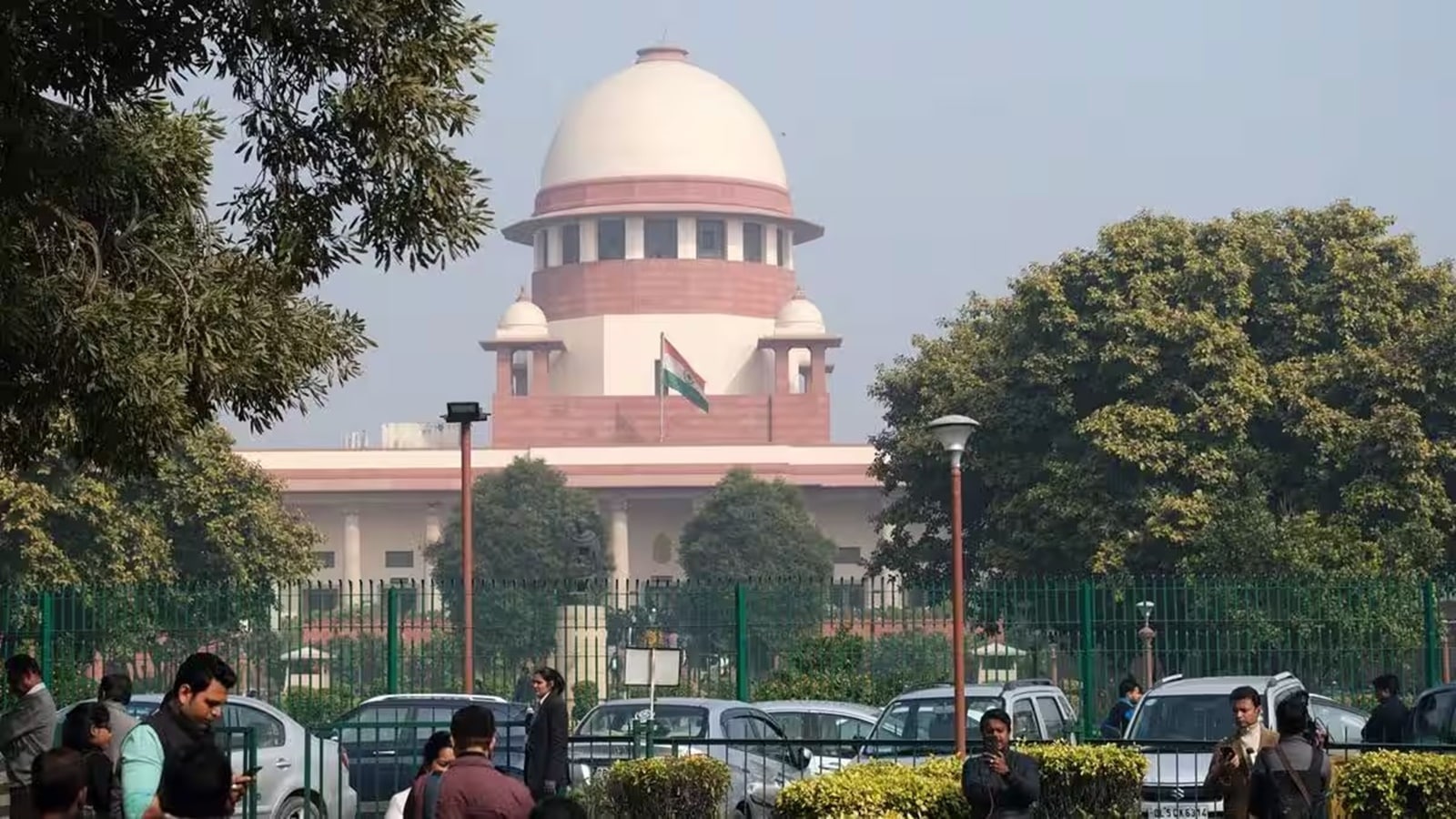
THE SUPREME Court on Monday declined to interfere with the Calcutta High Court’s February 26, 2026 order refusing to stay the probe by the National Investigation Agency (NIA) into the violence which rocked Beldanga in West Bengal’s Murshidabad district in January this year.
Dismissing the state government’s appeal, a bench of Chief Justice of India Surya Kant and Justice Joymalya Bagchi said the HC order “is quite balanced”.
The state challenged this before the SC, which on February 11 left it to the HC to take a call on whether an NIA probe was justified in the case after examining material collected by the probe agency.
It asked the NIA to submit a report to the HC in this regard.
On February 17, the Chief Judge, City Sessions Court, Calcutta, while deprecating the actions of the policy, ordered it to hand over the case diary and related materials in connection with the case to the NIA.
This was challenged before the HC, which on February 26, refused to stay the order of the City Sessions Court as well as the further investigation by the NIA.
On Monday, Senior Advocate Kalyan Banerjee appearing for the state government contended that the order of the Sessions Court asking police to hand over the case diary was contrary to the February 11 order of the SC, which asked the HC to examine the materials and decide whether it amounted to a UAPA offence and by extension, justified the NIA probe.
Justice Bagchi said the HC had to see the contents of the case diary to decide on the NIA probe.
“We do not find any conflict between the two (the trial court’s order and the Supreme Court order).
Seeing the materials collected during the investigation which has already been done by the state police, to come to a conclusion that UAPA is attracted, is exactly what we wanted to convey….it is for the High Court to decide whether or how UAPA,” he said.
CJI Kant added, “I think the view taken is quite balanced.”
Related Stories



Source: This article was originally published by The Indian Express
Read Full Original Article →
Comments (0)
No comments yet. Be the first to comment!
Leave a Comment