
The Standard's journalism is supported by our readers.
When you purchase through links on our site, we may earn an affiliate commission.
Just when you thought you’d nailed your supplement routine, we’re here to tell you that you might need to shake things up for spring.
After what feels like the longest winter, the days are finally getting lighter and brighter, and with the change in weather comes the perfect time to kickstart a path to a healthier life.
You might already feel like you’re striving to do everything right — racking up your plant points each week, working out consistently, getting your sleep hygiene in place and trying your best to keep a lid on stress, but taking a seasonal approach to wellness can give your efforts an extra boost.
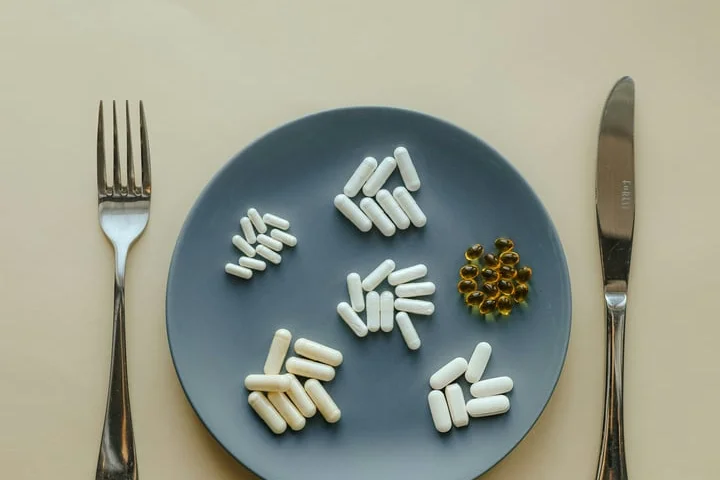
Supplements can play a part in supporting your health , but rather than viewing them as a quick fix, think of streamlining your routine to sync with the seasons.
That said, it’s always wise to consult a registered healthcare professional, such as a nutritionist , before introducing new supplements.
And remember, supplements should complement (not replace) a balanced diet, since nourishing your body through whole foods should always come first.
As winter fades and we welcome spring, certain nutrients may become more important — here’s an overview of what to consider.
The change in seasons naturally brings with it a fluctuations in the microbiome as your diet, environment, and activities change.
Longer days often mean more travel, al fresco dining, and shifts in routine, all of which can temporarily disrupt gut balance.
A probiotic during these months may help maintain healthy gut flora, support digestion, and keep your immune system strong.
It’s always worth choosing formulations that contain multiple well-studied strains, such as Lactobacillus and Bifidobacterium, to maximise the benefits across your digestive system.
Try: Metagenics UltraFlora Everyday, £19.99, metagenics.co.uk
The noise around collagen has been loud for a while now, and with good reason.
This protein (which is the most abundant protein in the body) supports skin elasticity, hydration, and overall firmness.
During spring and summer, increased sun exposure and higher temperatures (they don’t have to be that high to cause an effect) can accelerate moisture loss and the breakdown of collagen in the skin.
Supplementing with collagen (especially hydrolysed collagen peptides) may help maintain skin hydration, reduce the appearance of fine lines, and support natural repair processes.
Combining collagen with vitamin C -rich foods can further enhance collagen synthesis and help protect skin from seasonal environmental stressors.
Most collagen supplements contain animal derivatives, however, there are vegan alternatives available, meaning you can easily find an option that works for you.
Try: Ingenious Collagen+, £48, ingeniouslife.com
You don’t have to be an athlete or even a seasoned gym-goer to benefit from including electrolytes in your routine.
Crucial for maintaining fluid balance, muscle function, and nerve signalling, these minerals are lost through sweat.
Even modest increases in temperature can leave you feeling fatigued, sluggish, or prone to cramps — which is when the benefits of electrolytes shines.
While UK summers aren’t exactly Dubai-esque, the Met Office predicts 2026 will be among the four warmest years on record, with March already experiencing unusually high temperatures.
Replenishing electrolytes through hydration on these hotter than usual days with mineral-rich foods, or targeted supplements can help sustain energy levels, support workout performance, and keep your body functioning at its best during the warmer weather.
Electrolytes usually come in powder sachets or dissolvable tabs, making them easy to add to water to stay hydrated on the go.
Try: Trip Peach Yuzu Electrolytes, £19.60, drink-trip.com
Magnesium is an ‘all rounder’ mineral that supports everything from stress to sleep, so generally speaking, it’s one of those supplements that you could probably do with topping up.
Magnesium is utilised by the body to support hundred of day-to-day processes and it’s readily available in foods like dark green leafy veg, nuts, seeds and legumes.
Yet even with a balanced diet, many people don’t get enough, especially during periods of stress when the body uses more.
Certain medications such as some antibiotics, and acid reflux proton pump inhibitors can lower absorption rates, and even taking GLP-1 medications can also lower levels due to reduced appetite.
Magnesium bisglycinate or citrate are two of the highly absorbable forms to choose when it comes to supplementing.
Try: Curated Beauty London Quiet Shift Triple Magnesium, £35, curatedbeauty.london
The supplements you might no longer need
The nutrients that may be less essential during spring...
We need vitamin D for brain health and bone health, and unlike most other vitamins, which are readily absorbed from our diets, our main source of vitamin D comes from sunlight.
From March to September, the sun’s UVB rays are high enough in the sky to penetrate through our skin, so unless you fall into a category of people that might need to supplement all year round (such as people with darker skin, shift workers and the elderly), you are probably ok to ditch the bottle over the spring and summer months.
In winter, vitamin C supplements are often used as a buffer against colds and infections.
By spring, exposure to sunlight, more activity, and fewer circulating viruses reduce that pressure.
That’s not to say vitamin C isn’t important, but you’ll be able to obtain it from seasonal fruits and vegetables like strawberries, citrus, spinach, and peppers which the body is generally able to absorb well.
Energy levels often slump in winter, which is why CoQ10, a compound that facilitates cellular energy production is a popular supplement to take during the darker, colder months when fatigue can feel more pronounced.
In summer, however, your energy naturally benefits from longer daylight hours, increased physical activity, and given that your body usually produces enough on its own when you’re active and eating well, you might be able to sidestep supplementing with an energy-boosting supplement such as CoQ10 and include lots of CoQ10 foods such as oily fish including salmon and sardines, nuts and seeds, chicken and spinach in your diet.
Related Stories



Source: This article was originally published by Evening Standard
Read Full Original Article →
Comments (0)
No comments yet. Be the first to comment!
Leave a Comment