
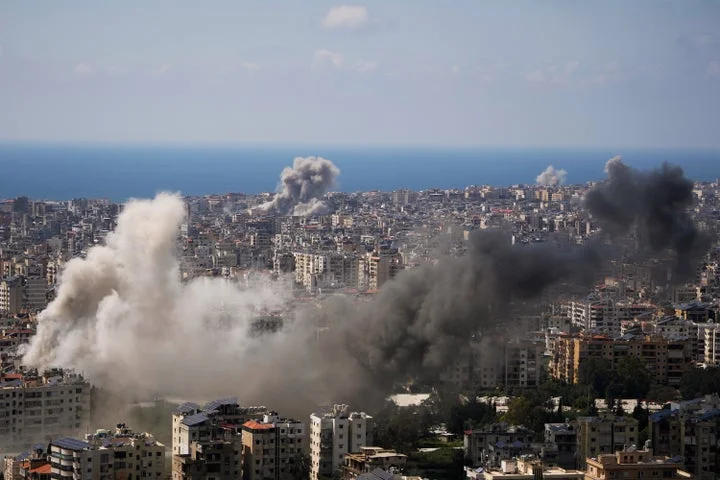
While the IDF launched its largest strikes yet on Lebanon, The Independent heard from Lebanese Britons, who were distraught to hear there would be no ceasefire for their families
As people across the world celebrated the news of the US and Iran’s ceasefire , Sara Roddis was devastated to learn that her family in Lebanon would still have no rest from Israel’s bombardment.
For the past month, Ms Roddis, from Coventry, has been “ill with stress”.
Most of her immediate family is in the south of Lebanon, which has been regularly targeted by Israel .
Since hostilities broke out between Israel and Lebanon last month, she has been “absolutely terrified” that one of her loved ones will die.
“I cry every day,” she told The Independent .
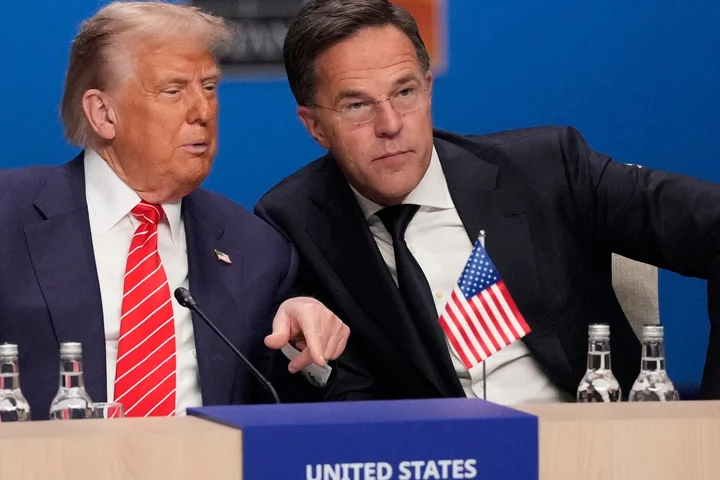
Donald Trump announced late on Tuesday that the US and Iran had agreed to a two-week ceasefire.
But while Israel suspended attacks on Iran, it launched its largest strikes yet in Lebanon on Wednesday, which has caused hundreds of casualties, according to its health minister.
Benjamin Netanyahu has said the ceasefire would not include the Iran-backed militant group Hezbollah in Lebanon.
Although saddened, Ms Roddis said she was not surprised.
“There's just no mercy, there's no looking at civilians as civilians, there's no regard for international law, there's no morals.
That's just how it feels,” she said.
Hezbollah is an Iranian-backed militant group as well as a political party with lawmakers in the Lebanese government.
It was proscribed as a terrorist organisation in the UK in 2019 over its attempts to destabilise activities in the Middle East.
In response to Israel’s invasion of Lebanon in 1982, the group formed as a guerrilla force fighting against Israel’s history of military incursions and invasions.
Hezbollah is believed to have played a significant role in Israel’s decision to end its 18-year-long occupation in 2000.
In 2006, the group ambushed Israeli soldiers on the border, which sparked the month-long Lebanon war that caused mass displacement and widespread destruction.
Hostilities further escalated in October 2023, when Hezbollah launched missile attacks against Israel in support of Hamas in Gaza.
In retaliation for the US and Israel’s invasion of Iran and the killing of supreme leader Ali Khamenei on 28 February, Hezbollah launched rocket strikes against Israel on 2 March.
“When you read a news report, it's very sanitised… an attack happened here, in this area, this many people were killed, this many people were injured,” she said.
“But knowing what those streets look like, what those shops look like, who works there, what the children look like when they go to that school, knowing what that neighbourhood looks like, and then knowing what it looks like in the aftermath, and knowing who has been affected, it's heart-wrenching.”
Although she regularly sends money to her family, she feels completely helpless.
Not many people can relate to the “sheer horror” and “terror” of having to constantly scan the news for reports of attacks that might have targeted your family, she said.
“I follow a lot of Israeli politics.
I want to know from the horse's mouth what they are saying,” she said.
“I have to tell my family, ‘You do know they are saying they're going to occupy permanently‘.”
“They’ve threatened to turn Beirut into Khan Younis,” she said.
“We've seen it play out in Gaza.”
The Israel Defence Forces said it was “operating in Lebanon as part of the operation against the Hezbollah terrorist organisation which chose to launch attacks against the State of Israel on behalf of the Iranian regime.
“Unlike Hezbollah, which operates from within civilian populations and exploits civilian infrastructure to conceal weapons and conduct terrorist activities, the IDF acts to protect the residents of Israel and minimise harm to civilians.
Hezbollah continues to use civilians as human shields, deliberately endangering the lives of Lebanese residents and undermining regional stability.”
Lebanese expat Hayfaa Jawhar, whose mother and sister live near the Beirut suburbs, said it was disappointing that Lebanon was excluded from the ceasefire.
Ms Jawhar, who has been in the UK for 20 years, has been living in total fear since Israel began striking areas close to where her family lives.
She is constantly checking reports and calling her family to make sure they are still alive.
Her 63-year-old mother had to leave her house “because of the power of the rockets, the sounds, the voices, the fear of a missile hitting the wrong target.
Ms Jawhar, who lived in Lebanon in 2006, said: “I've experienced firsthand what it is to live in the middle of rocks.
The sounds alone are horrifying.”
She said Lebanese people were “distraught”, but not surprised, to learn there would be no solution on Tuesday.
“Lebanon was not really discussed that much, it was not on the negotiation table,” she added.
“We expect that things are going to remain as they are - assassinations, sudden threats, sudden bombing.
It doesn't seem like anything is going to change.
It's so disappointing.
“Lebanese people, even people from the South, people who have to flee their villages every two months or three months, they're tired.
Join thought-provoking conversations, follow other Independent readers and see their replies
Related Stories
Source: This article was originally published by The Independent
Read Full Original Article →
Comments (0)
No comments yet. Be the first to comment!
Leave a Comment