
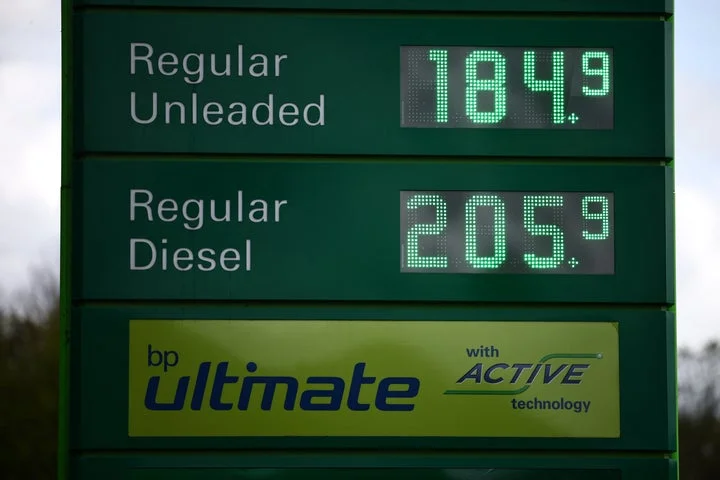
The drop in petrol prices offers ‘relief for drivers’ after 46 consecutive days of rising costs
UK fuel prices have fallen for the first time since the Middle East conflict began, offering a glimmer of relief to motorists.
Petrol averaged 158.1p per litre on Thursday, a slight decrease from 158.3p the previous day.
Diesel also saw a modest drop, from 191.5p to 191.2p over the same period.
This marks an end to 46 consecutive days of rising costs .
Despite the fall, both petrol and diesel remain 25p and 49p respectively more expensive than when the war began on February 28.
RAC head of policy Simon Williams said: “After 46 days of rising prices, the cost of both petrol and diesel across the country has finally begun to drop very slightly.
“Wholesale prices are still lower, so we’re hopeful there will be further reductions amounting to several pence a litre in the coming days.
“After record rises, drivers will be relieved to finally see prices going the other way.
“While we’re a long way from a return to the prices we had at the start of the conflict, there’s now a glimmer of light at the end of the tunnel.”
Motoring research charity the RAC Foundation estimated that rises in pump prices since the start of the war have led to motorists’ fuel bills being £1.4 billion higher.
This is based on average daily pump price rises and last year’s fuel consumption rate.
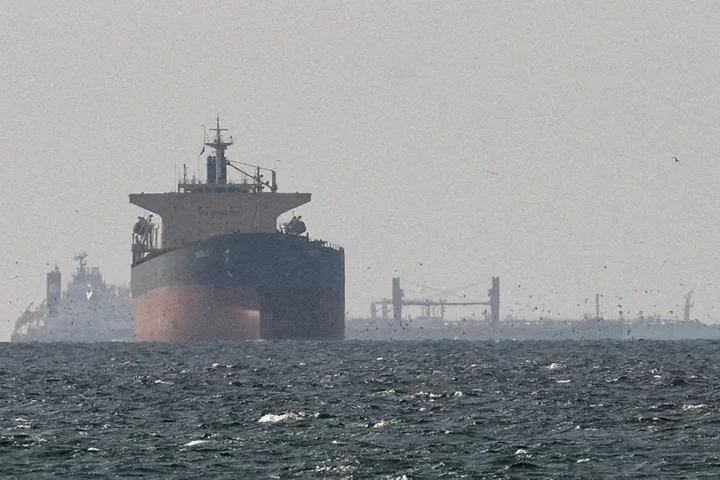
The Strait of Hormuz , through which a fifth of the world’s oil normally flows, has been closed by Iran as a response to America and Israel’s strikes.
This has caused a spike in the cost of oil, which is a major factor in fuel prices .
Meanwhile, an energy chief warned Europe only has around six weeks of jet fuel supply left , in what he fears could be “the largest energy crisis we have ever faced”.
Fatih Birol, the head of the International Energy Agency, added flight cancellations will begin “soon” if the Strait of Hormuz remains closed amid the Iran war , potentially plunging summer holidays into chaos.
It comes as easyJet announced it expected a headline loss of between £540 million and £560 million before tax for the six months to the end of March, with the airline having spent an extra £25 million on jet fuel last month.
Join thought-provoking conversations, follow other Independent readers and see their replies
Related Stories


Source: This article was originally published by The Independent
Read Full Original Article →
Comments (0)
No comments yet. Be the first to comment!
Leave a Comment