
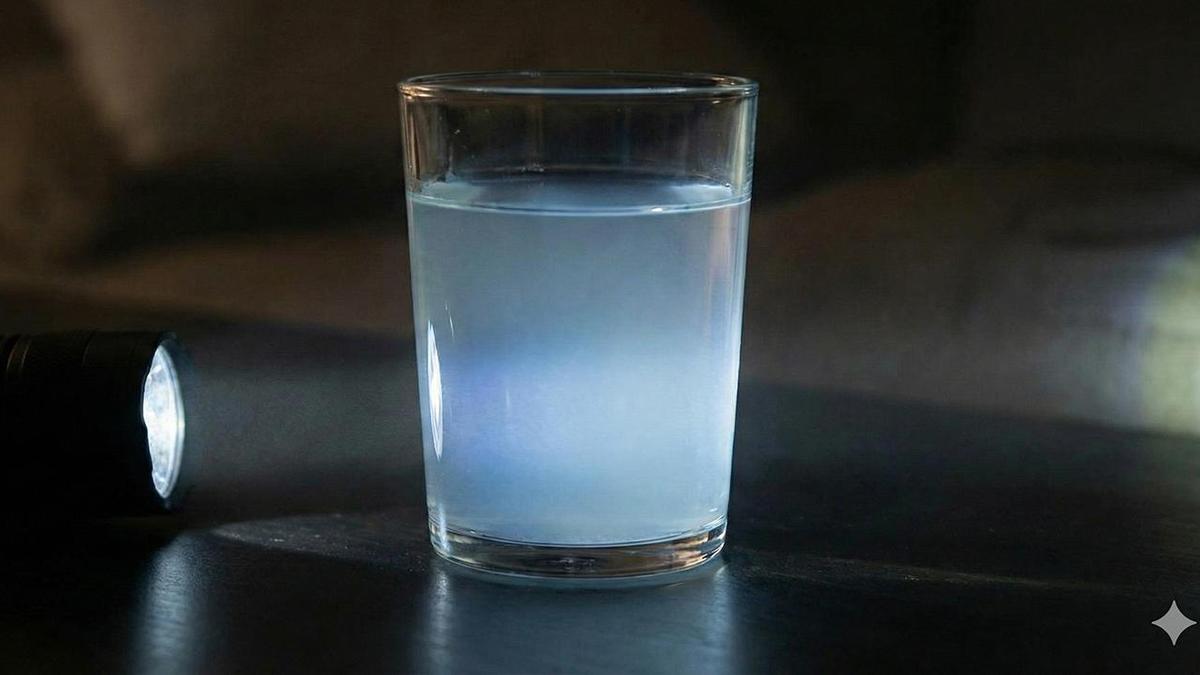
Oral Rehydration Solution (ORS) is considered one of the most effective ways to prevent deaths from dehydration, especially among children.
For decades, this mixture of salts and glucose dissolved in water has been a familiar remedy in many Indian households, the first line of response when a child develops diarrhoea or vomiting.
In recent months, ORS has also entered public discourse after the campaign by Hyderabad-based paediatrician , Sivaranjani Santosh drew attention to sugary drinks marketed as “ORS-like” beverages that do not follow medical standards.
It prompted the Food Safety and Standards Authority of India to prohibit the use of the term ‘ORS’ on food and beverage products that do not meet the approved formulation, highlighting concerns that misleading products could worsen dehydration in children instead of treating it.
Despite the long familiarity with ORS and its affordability and effectiveness, its use in managing childhood diarrhoea and dehydration remains far from optimal.
Experts explain what to know about ORS especially during the summer.
However, its use is still not universal.
Data from the National Family Health Survey-5 (NFHS-5) shows only about 62% of parents in India use ORS when their child has diarrhoea.
This gap persists despite campaigns by governments and health organisations.
Doctors say lack of counselling and insufficient information on how to prepare and administer ORS are main the barriers.
Aparna G., consultant paediatrician at Rainbow Children’s Hospital, Chennai, points out that simply prescribing ORS without explaining the method of preparation, the required volume and the duration of use can limit its effectiveness.
Incorrect preparation, she says, can even lead to complications.
Another factor is also the palatability.
Proper ORS solutions do not taste appealing, which discourages children from drinking them regularly.
Paediatricians say the need for timely ORS becomes important during summer months.
Rising temperatures and high humidity levels can increase loss of fluids through sweating, especially as children play outdoors.
Dehydration occurs when the body loses more fluid than it can replace.
According to doctors, common causes in children include diarrhoea, vomiting, fever, poor intake of food and fluids, and excessive sweating.
Research also suggests that for every degree Celsius rise in body temperature above 38°C, the body may require roughly 10% more fluids to maintain balance.
Dr.
Viswanathan adds that children who develop diarrhoea or vomiting during hot weather should receive ORS in small and frequent amounts to help restore fluid and electrolyte balance.
And they need to seek medical care if the child cannot retain fluids, shows persistent vomiting or diarrhoea, becomes unusually drowsy, or shows signs of severe dehydration.
Doctors stress that parents must encourage children to drink fluids regularly rather than waiting until they feel thirsty, and to also include water-rich foods such as fruits and vegetables in their diet during hot weather.
One of the misconceptions among parents is that ORS should be used only when diarrhoea becomes severe.
Doctors emphasise that ORS works best when started early, even at the onset of diarrhoea, as it helps prevent dehydration from developing in the first place.
Another belief is that plain water, juices or sweet drinks can adequately replace lost fluids.
While water helps maintain hydration, it does not contain the necessary salts and sugars lost during diarrhoea and vomiting.
ORS contains a balanced mixture of glucose and electrolytes that makes the intestine absorb fluids effectively.
Commercial beverages and fruit juices are also not suitable substitutes.
Many contain high levels of sugar that can worsen diarrhoea and increase fluid loss.
Correct preparation of ORS is equally important.
ORS sachets typically come in two sizes: one meant to be mixed with 200 ml of water and another with 1 litre.
If it is not mixed correctly, the solution may become either too diluted or too concentrated, which can be harmful because of excess salt content.
Doctors also advise to not add milk, fruit juice, soft drinks or soups while preparing ORS, as this can change and affect the balance of salts and sugars.
Once prepared, the solution should be kept covered and used within 24 hours to avoid contamination.
However, paediatricians stress that these should support, not replace, ORS.
Standard ORS formulations recommended by the World Health Organization contain the precise balance of glucose and electrolytes required for optimal absorption in the intestine.
Doctors stress awareness efforts should extend beyond health facilities.
Demonstrations on preparing ORS, educational sessions in schools, community programmes, and information campaigns through television, radio and social media can help parents recognise early signs of dehydration and respond promptly.
Ensuring when and how to use ORS, doctors add, can make a big difference in protecting one from dehydration and its complications.
Related Stories



Source: This article was originally published by The Hindu
Read Full Original Article →
Comments (0)
No comments yet. Be the first to comment!
Leave a Comment