
Still only a tiny slice of mobile activity overall
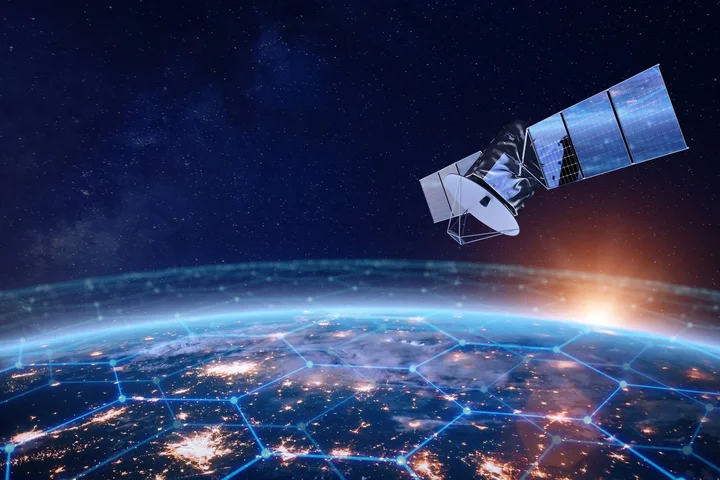
The US and Starlink lead the way in the still-young direct-to-device (D2D) satellite market, where the number of connections recorded by Ookla rose nearly 25 percent between July 2025 and March 2026.
Satellite phones have been around for many years (remember Iridium ?), but only recently have ordinary smartphones been able to link directly to satellites when cellular coverage drops out.
Network intelligence firm Ookla has turned its analytical eye to the market, and perhaps unsurprisingly found that the US leads the world in D2D connections, accounting for 45.9 percent of all global activity in March this year.
T-Mobile started a public beta of its service using Starlink across the US early in 2025, opening it up officially in July.
Other countries showing noteworthy levels of D2D activity, according to Ookla, were Australia with 18.1 percent of global D2D samples, Chile with 10 percent, and Canada with 9.8 percent - all countries with large rural areas, like the US.
Starlink accounted for the vast majority of these D2D samples, though Skylo and Lynk Global also generated some activity globally.
Apple was a pioneer in this market, with every iPhone model since the iPhone 14 in 2022 able to send messages via the Globalstar network.
But currently only a tiny percentage of mobile users are connecting via satellite in each of the countries where services are available, Ookla points out.
For example, during March 2026, 0.46 percent of users of its Speedtest service in the US recorded a connection to a D2D satellite.
That roughly 24.5 percent rise in D2D connections since July 2025 broadly coincides with the rollout of Starlink-backed services in more countries, Ookla says, suggesting it is currently the market's main driver.
It should be noted that satellite services currently only offer text messaging or limited data services, but voice calls and broadband-like data are expected as the satellite networks are upgraded.
Ukraine was the first European country to support Starlink via its telco Kyivstar in November 2025, providing a vital service to parts of the war-torn country where the terrestrial network may be damaged or destroyed, for example.
In the UK, Virgin Media O2 (VMO2) became the first mobile operator to launch direct-to-device satellite connectivity in February, again using Starlink for its O2 Satellite service.
However, other satellite operators are waiting in the wings, such as AST SpaceMobile, which has partnered with Vodafone in Europe.
It suffered a setback this week when rocket biz Blue Origin delivered its latest satellite into the wrong orbit .
However, Vodafone told The Register that this did not affect its current plans for customer trials later this year.
According to a February report from the Global mobile Suppliers Association (GSA), D2D services have now launched in 15 countries, while 61 countries and territories are planning, evaluating, testing, or have already announced satellite-to-smartphone partnerships.
Starlink leads with 59 partnerships, followed by AST SpaceMobile with 28.
®
Related Stories


Source: This article was originally published by The Register
Read Full Original Article →
Comments (0)
No comments yet. Be the first to comment!
Leave a Comment